
Optimal Timing for Door Service
Door service is essential for maintaining security, energy efficiency, and aesthetic appeal. The optimal timing for door service depends on various factors including weather, usage patterns, and seasonal considerations. Proper scheduling can prevent costly repairs and extend the lifespan of doors and related hardware.
Performing door service during spring and fall helps address weather-related wear and tear, ensuring doors operate smoothly year-round.
Scheduling before winter or summer extremes can prevent issues caused by temperature fluctuations and humidity.
After high-traffic periods or heavy usage, door service can identify and fix potential problems early.
Biannual inspections promote optimal performance and can detect issues before they escalate.
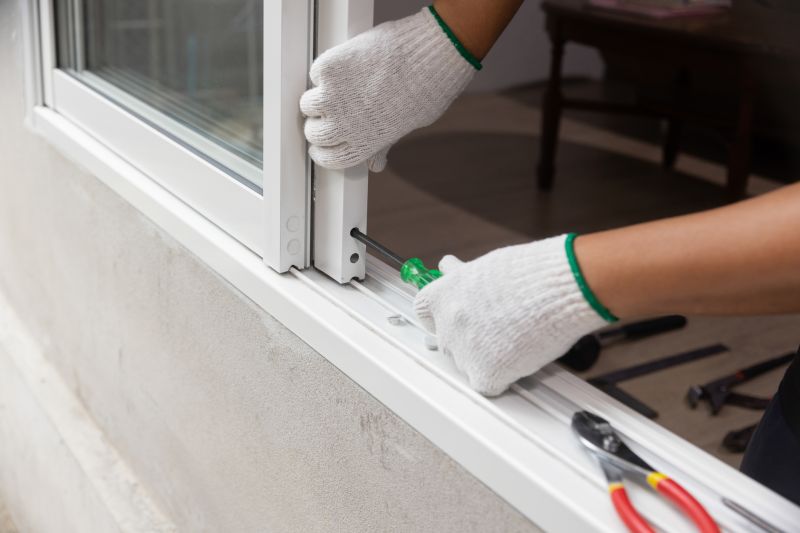
Image depicting a technician inspecting a door during spring maintenance.
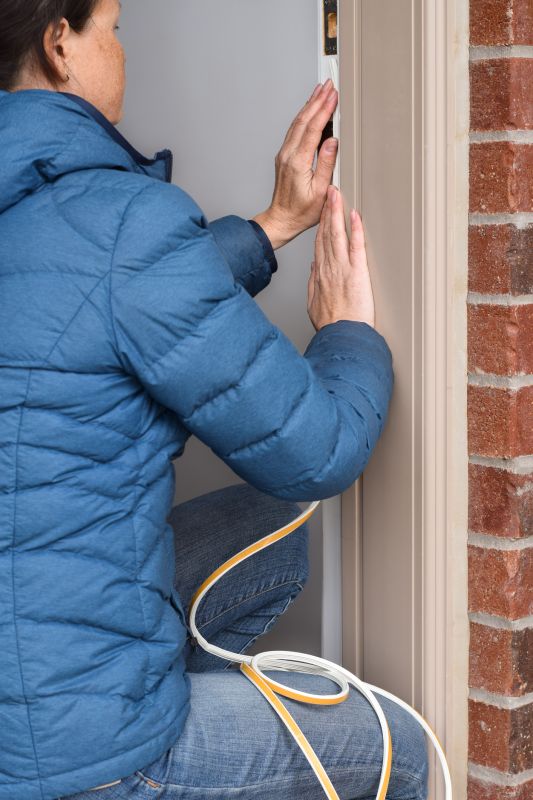
Image showing winter-ready door adjustments and sealing.
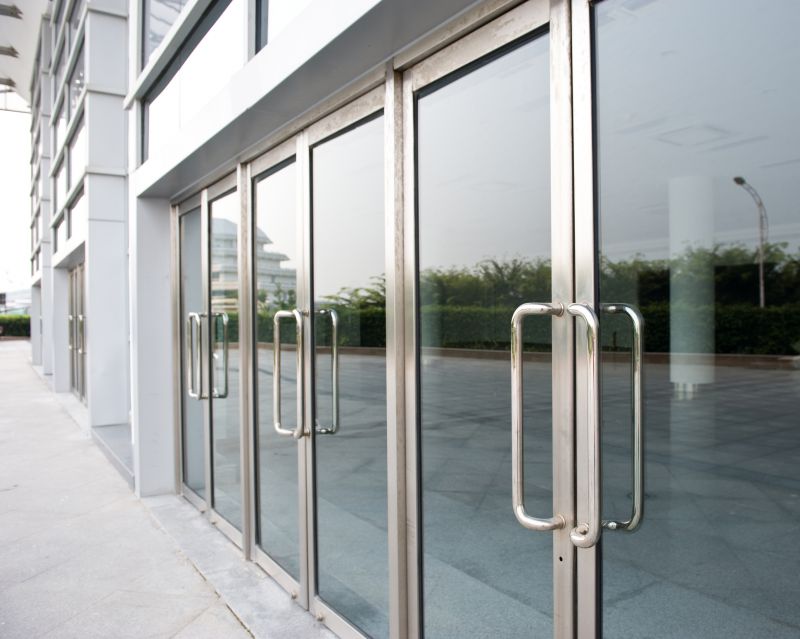
Image of a busy commercial door being serviced after heavy use.
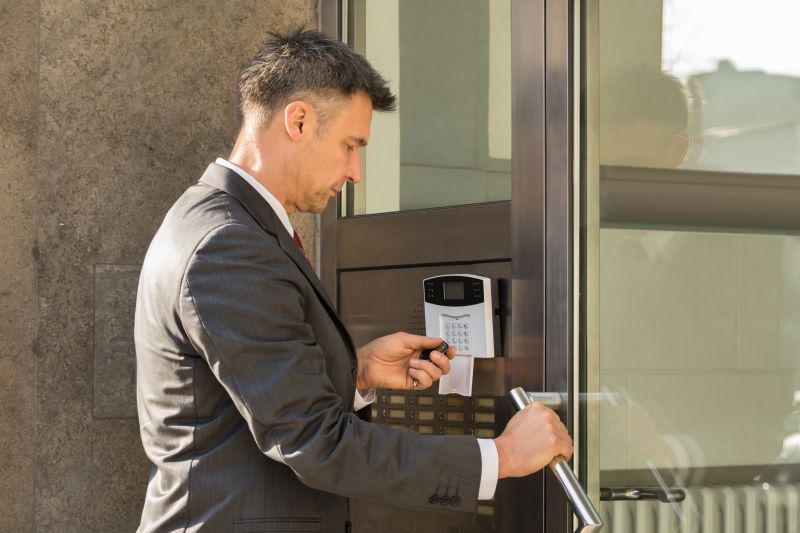
Ways to make Door Service work in tight or awkward layouts.
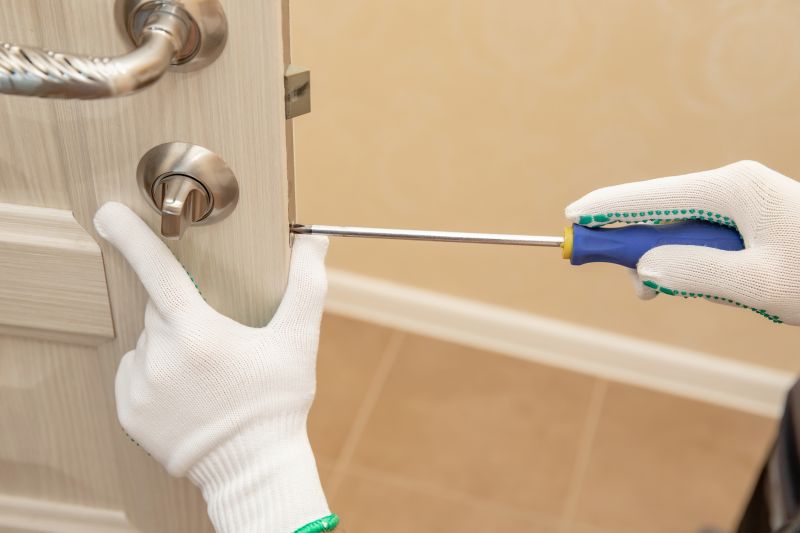
Popular materials for Door Service and why they hold up over time.
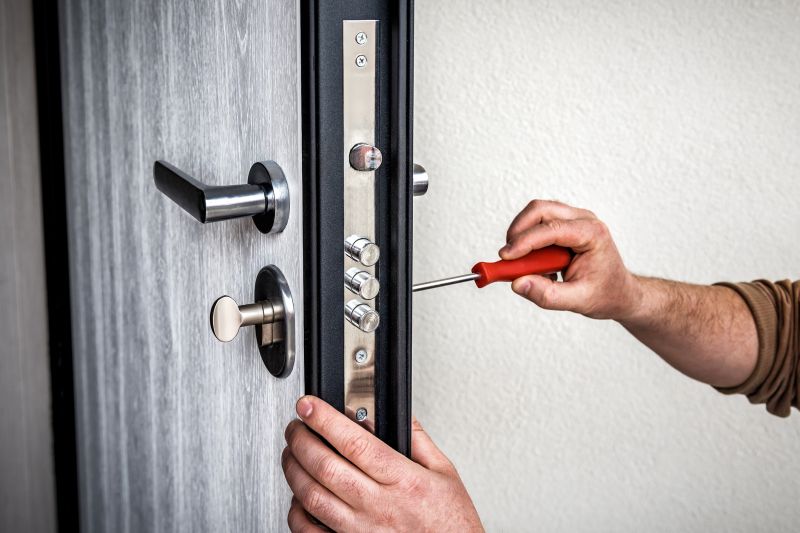
Simple add-ons that improve Door Service without blowing the budget.
| Optimal Timing | Benefits |
|---|---|
| Spring | Prepares doors for summer wear and tear. |
| Fall | Prepares doors for winter conditions. |
| Pre-Extreme Weather | Prevents weather-related damage. |
| Post-Heavy Usage | Identifies issues early after high traffic. |
| Biannual Checks | Maintains door performance and longevity. |
| After Repairs | Ensures proper functioning and safety. |
Door service involves inspecting, repairing, and maintaining various door components such as hinges, locks, seals, and tracks. Regular service can improve security, reduce energy costs by preventing drafts, and extend the life of doors. Statistics indicate that scheduled maintenance can reduce emergency repairs by up to 30 percent and prolong door lifespan by several years.
Understanding the best times for door service allows property owners and managers to plan maintenance proactively. This approach minimizes disruptions and ensures doors function optimally during peak usage periods. Regular inspections also help identify potential safety issues, safeguarding occupants and assets.
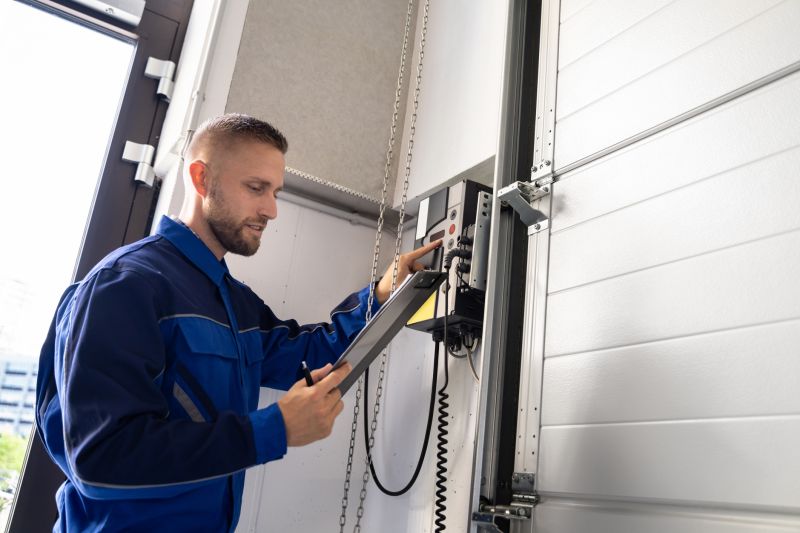
Technicians inspecting a commercial door during spring.
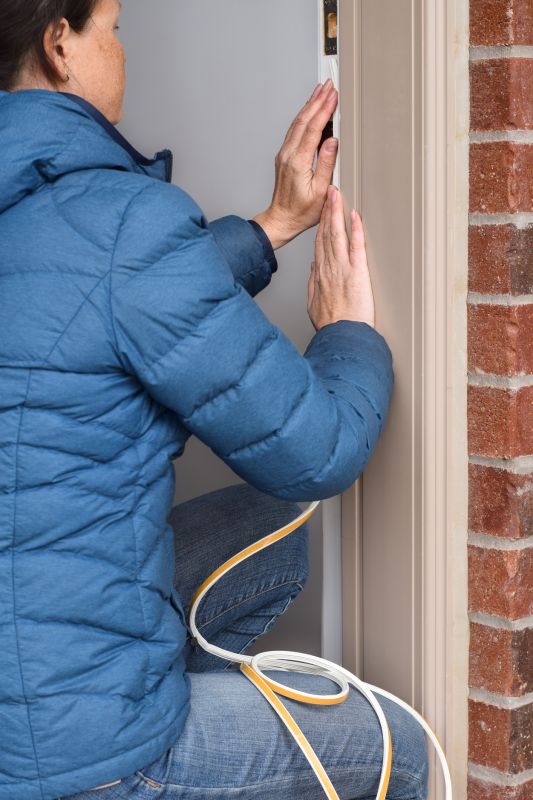
Sealing and insulating doors for winter.

Service after high-traffic periods.
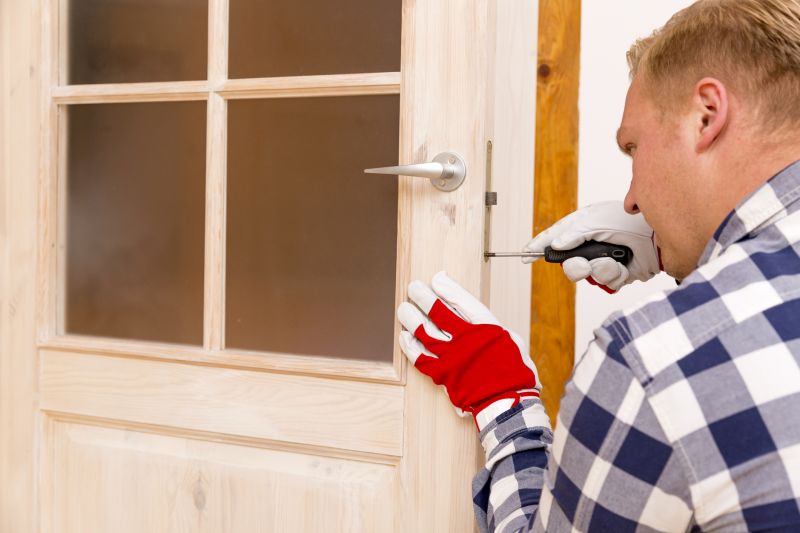
Routine biannual door maintenance.
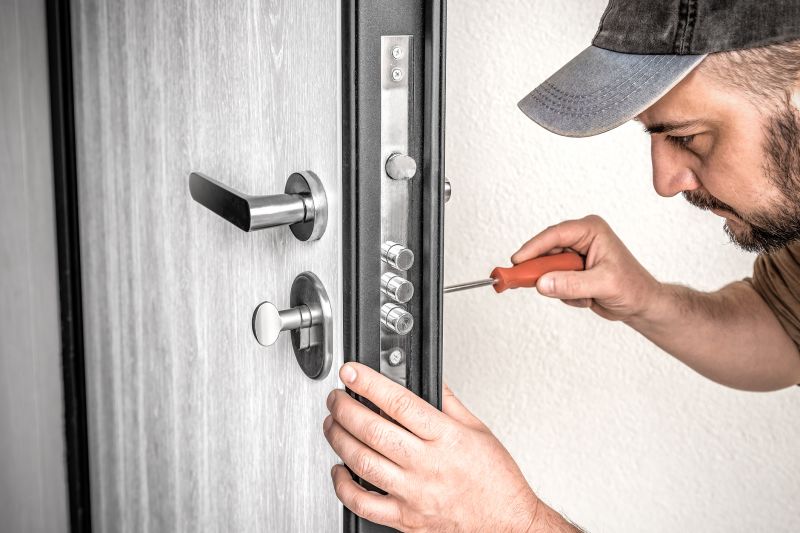
High-end options that actually feel worth it for Door Service.
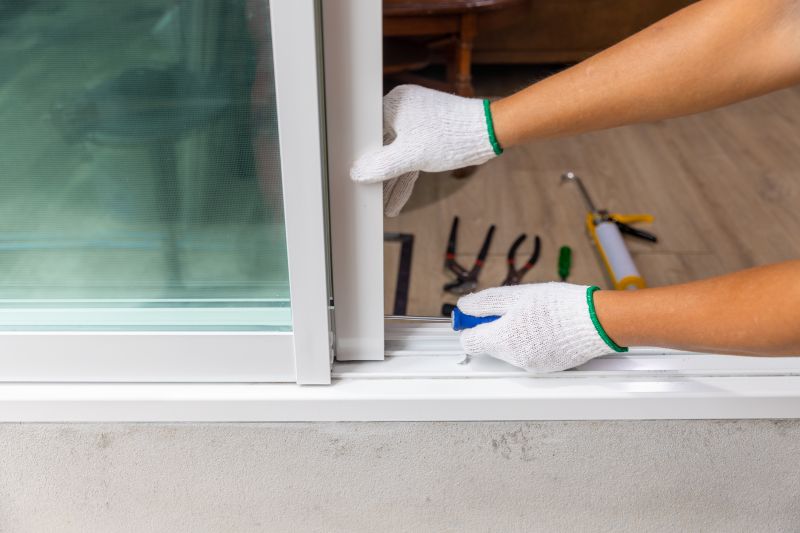
Finishes and colors that play nicely with Door Service.
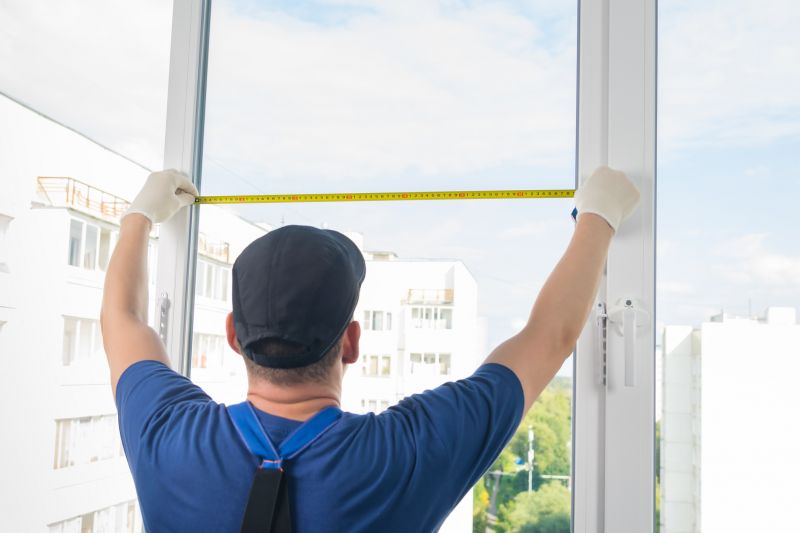
Little measurements that prevent headaches on Door Service day.
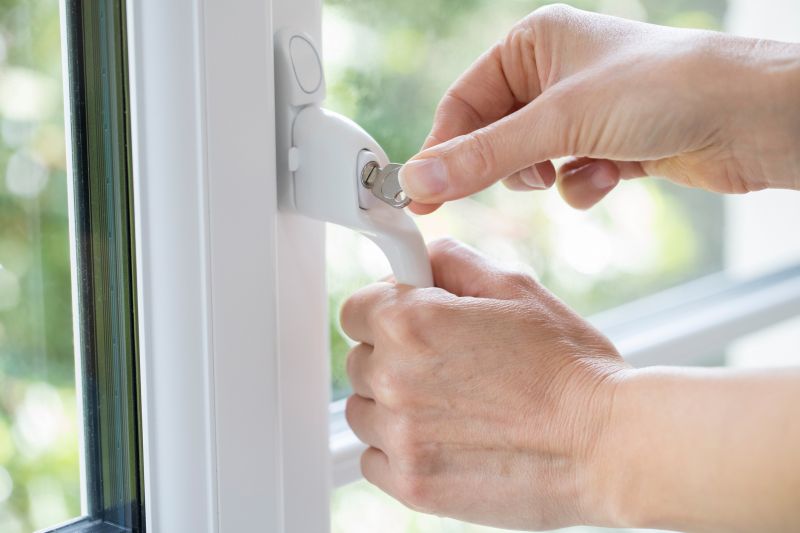
A 60-second routine that keeps Door Service looking new.
For those interested in maintaining optimal door performance, it is recommended to contact a professional for a comprehensive assessment. Regular service ensures doors remain secure, functional, and efficient, reducing long-term costs and enhancing safety.